
Indoor container gardening are a world of green possibilities, and it’s not just about growing plants—it’s about cultivating a mini oasis within your living space. In this guide, you’ll find the secrets of successful indoor container gardening, offering practical tips that will not only boost your confidence but also transform your space into a thriving, green space.
1. Choose the Right Containers
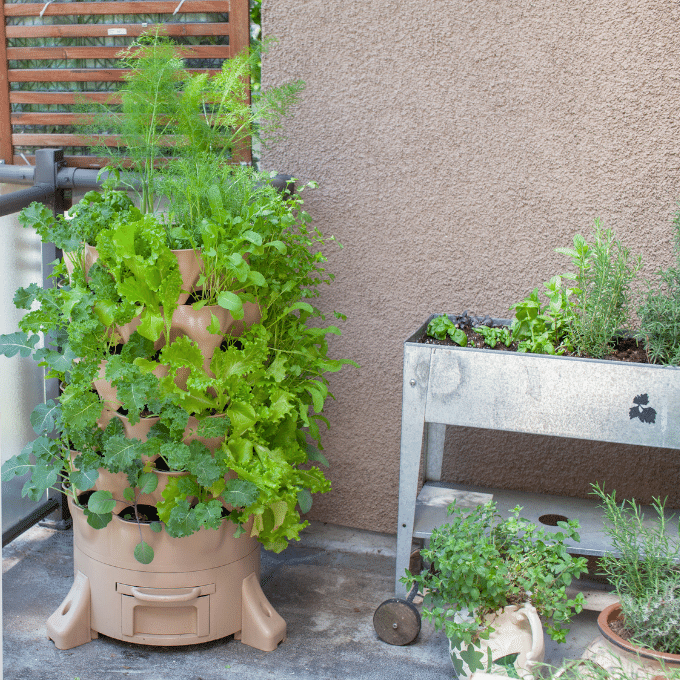
Selecting the right containers is the cornerstone of a successful container garden. Opt for pots with drainage holes to prevent waterlogging, promoting healthy root growth and preventing root rot. Consider self-watering planters for busy individuals, and explore innovative options like stackable pots or specialized tiered planters for vertical gardening in limited spaces.
2. The Art of Soil Selection
Container plants rely on the soil within their confined space for nutrients. Create a nutrient-rich mix by combining standard potting soil, perlite for aeration, and coconut coir for moisture retention. Consider adding slow-release organic fertilizers to sustain your plants over time. This blend ensures your plants have the ideal growing environment within the constraints of a container.
3. The Watering Dance: Monitoring & Timing is Everything
Mastering watering is an art that involves balancing moisture levels without drowning your plants. Check soil moisture regularly, and water when the top inch feels dry. Here are some practical tips on measuring soil moisture and general guidelines to keep your plant pals hydrated and thriving:
Measuring Soil Moisture:
1. Finger Test: Stick your finger about an inch into the soil. If it feels dry at this depth, it’s time to water. If it’s still moist, hold off for a bit.
2. Soil Moisture Meter: Invest in a soil moisture meter for a more accurate reading. These handy devices give you a digital or analog indication of the moisture level in the soil.
3. Weight of the Pot: Lift your potted plant. A lightweight pot indicates dry soil, while a heavier one suggests ample moisture. This method is especially useful for larger containers.
Watering Guidelines:
1. Cacti and Succulents: Let the soil dry out completely between waterings. Water sparingly, typically every 2-3 weeks.
2. Tropical Plants: Keep the soil consistently moist but not waterlogged. Water when the top inch of soil feels slightly dry. Typically, once a week.
3. Herbs: These generally prefer slightly drier conditions. Water when the top 1-2 inches of soil are dry. Aim for every 1-2 weeks.
4. Leafy Greens: Keep the soil consistently moist. Water when the top inch feels slightly dry. Typically, every 5-7 days.
5. Flowering Plants: Maintain even soil moisture, allowing the top inch to dry between waterings. Frequency may vary but typically around once a week.
Remember, these are general guidelines, and the specific needs of your plants may vary based on factors like light, humidity, and the type of potting mix used. Adjust your watering routine accordingly and pay attention to your plants’ cues, and soon you’ll be dancing in perfect hydration harmony with your green companions.
4. Sunlight Shuffle: Natural Light vs Grow Lights
Understanding your plant’s light needs is crucial. Rotate your containers regularly to ensure all sides receive adequate sunlight. However, for those dark corners where sunlight struggles to reach, consider incorporating clip-on grow lights into your indoor garden strategy. These versatile lights can be attached to shelves or fixtures, providing additional illumination to plants tucked away in less sunlit spots. There are a variety of indoor grow lights available, designed to mimic the spectrum of natural sunlight and boost your plants’ growth in every nook and cranny of your indoor space. Select the right one that fits your needs: clip-on, undercabinet light strips, grow bulbs, or halo stake lights. This inventive solution ensures that even the most shaded areas can contribute to a thriving container garden.
5. Companion Planting: Grow Friends, Not Just Plants
Companion planting is a gardening art that enhances the health and productivity of your container garden. Pair plants strategically to deter pests or enhance flavor. For example, planting marigolds with vegetables can discourage pests. Balaced equastions that will bring unique benefits to your indoor gardening experience also include:
a. Rosemary + Beans = Flavor + Pest Protection
Benefit: Rosemary not only adds a delightful aroma to your indoor garden but also serves as a natural pest repellent. When paired with beans, the aromatic essence of rosemary helps deter pests that commonly target bean plants. Additionally, the combination enhances the flavor of your beans, creating a harmonious culinary and gardening experience.
b. Chives + Strawberries = Pest Control + Growth Boost
Benefit: Chives, with their natural pest-repelling properties, make an excellent companion for strawberries. Planting chives alongside strawberries can help protect the delicate berries from common pests like aphids. Furthermore, chives emit compounds that promote healthy growth in strawberries, contributing to robust plants and bountiful harvests.
c. Nasturtiums + Cucumbers = Pest Prevention + Pollination Aid
Benefit: Nasturtiums are known for their ability to repel pests like aphids, making them ideal companions for cucumbers. Planting nasturtiums near your cucumber containers can help keep aphids at bay. Additionally, nasturtiums attract pollinators, such as bees, which play a crucial role in cucumber pollination, ultimately leading to more fruitful harvests.
Exploring diverse companion planting combinations not only fosters a healthier growing environment but also adds aesthetic and culinary dimensions to your indoor garden. Embrace these dynamic pairings, and watch as your container garden thrives with enhanced flavors and natural pest protection.
6. Vertical Gardening Magic
Make the most of limited space by going vertical. Utilize hanging containers, wall-mounted planters, or tiered shelving. This inventive approach not only saves space but also adds a delightful visual dimension to your indoor garden, turning it into a stunning living work of art.
7. Fertilizing: Feed Your Plants with Love
Container plants require additional nutrients. Opt for organic fertilizers and inventive additions like crushed eggshells for added calcium or coffee grounds to boost acidity.
8. Container Sizes: Go Big or Go Home?
Contrary to popular belief, bigger isn’t always better when it comes to container gardening. Choose pots that match your plant’s size to prevent waterlogging and encourage healthy root growth. Explore compact container options designed for small spaces without compromising on aesthetics.
9. Seasonal Changes: Adapting to Temperature Changes
Indoor environments often mean temperature fluctuations. Equip your plants for success with inventive solutions. Use old sweaters as cozy plant wraps during winter to protect against drafts, or place frozen water bottles in summer to cool the soil without overwatering.
Indoor heating during winter can lead to dry air, which might not be ideal for your plants, especially tropical varities that prefer a more humid environment. Add a touch of moisture to the air and create a more favorable atmosphere for your indoor garden:
- Cool Mist Humidifier: Introduce moisture to the air with a cool mist humidifier. It’s a versatile solution for maintaining optimal humidity levels around your plants, promoting healthier growth. Look for models with adjustable settings to customize humidity based on your plant’s needs.
- Humidity Rocks: Place a humidity tray filled with water and pebbles near your plants. As the water evaporates, it increases humidity around the plants. This simple and decorative solution is effective in combating the dry winter air.
- Digital Hygrometer: Monitor humidity levels with a digital hygrometer. This inexpensive device provides real-time readings, allowing you to adjust your humidity-boosting efforts accordingly. It’s a handy tool to ensure your indoor garden remains in the ideal humidity range.
By incorporating these products, you not only adapt to seasonal temperature changes but also create a more favorable and humid environment for your indoor plants, helping them thrive even in the driest winter months.
10. Container Gardening Tools: Essential Gear for Success
Investing in the right tools for your container gardening adventure is crucial for both efficiency and plant health. Each tool serves a specific purpose, offering benefits that contribute to a flourishing indoor garden..
1. Ergonomic Watering Can:
Necessity: Ensures precise and gentle watering, preventing soil erosion and overwatering.
Benefits: Easy to handle, reduces wrist strain, and provides targeted watering for container plants.
Budget Range: $15 – $30
Suggested Product: Homarden 40oz. CopperWatering Can – Ergonomic Long Spout
2. Miniature Pruning Shears:
Necessity: Enables precise trimming, shaping, and pruning of plants to encourage healthy growth.
Benefits: Small and maneuverable for delicate work, promoting plant aesthetics and overall health.
Budget Range: $10 – $20
Suggested Product: Fiskars Bypass Pruning Shears
3. Soil Moisture Meter:
Necessity: Helps gauge soil moisture levels to prevent overwatering or underwatering.
Benefits: Ensures optimal soil conditions for plants, preventing root rot or drought stress.
Budget Range: $10 – $20
Suggested Product: XLUX Soil Moisture Meter
4. Compact Hand Trowel:
Necessity: Aids in planting, transplanting, and adding or removing soil from containers.
Benefits: Compact design for easy maneuvering, facilitating various container gardening tasks.
Budget Range: $10 – $20
Suggested Product: Fiskars Ergo Trowel
5. LED Grow Light:
Necessity: Supplements natural sunlight, crucial for plants in low-light or shaded indoor areas.
Benefits: Promotes healthy growth, flowering, and fruiting, especially during the winter months.
Budget Range: $20 – $50
Suggested Product: VIVOSUN LED Full Spectrum Grow Light
6. Plant Mister:
Necessity: Provides a fine mist for humidity-loving plants or those sensitive to dry indoor air.
Benefits: Prevents leaf dehydration, enhances humidity, and adds a decorative touch to your indoor garden.
Budget Range: $10 – $20
Suggested Product: Rionisor Plant Mister Glass Spray Bottle
Investing in these essential container gardening tools not only makes your gardening tasks more manageable but also contributes to the overall well-being of your indoor plants. These budget-friendly options ensure you have the right gear without breaking the bank, setting you up for a successful and enjoyable container gardening experience.
Hydroponic Indoor Garden Setup: Growing Beyond Soil
For those seeking a unique approach, consider hydroponic indoor gardening. Hydroponics eliminates the need for soil, providing plants with nutrients directly through water. Invest in a hydroponic kit like the AeroGarden to get started. It’s a compact, user-friendly system perfect for beginners venturing into indoor container gardening.
Recommended Reading to Fuel Your Plant Passion:
- “The New Organic Grower” by Eliot Coleman: A comprehensive guide to organic growing techniques, perfect for those transitioning to container gardening.
- “Plantopedia: The Definitive Guide to Houseplants” by Lauren Camilleri and Sophia Kaplan: A classic reference for indoor gardening, offering valuable insights for container plant care.
- “The Vegetable Gardener’s Container Bible:” by Edward C. Smith: A beginner-friendly guide covering all aspects of container gardening, from choosing containers to plant care.
Welcome to the wonderful world of indoor container gardening! It’s not just about plants; it’s a journey where creativity blossoms, and even if you’re a beginner, you’ve got this! With the perfect blend of know-how and tools, you’ll turn your living space into a lively, green haven. Dive into these tips, maybe dabble in a bit of hydroponics, and watch your container garden flourish like a testament to your newfound green thumb magic. Happy gardening, fellow plant enthusiast! 🌿🌟

 Let's Talk About Plants