
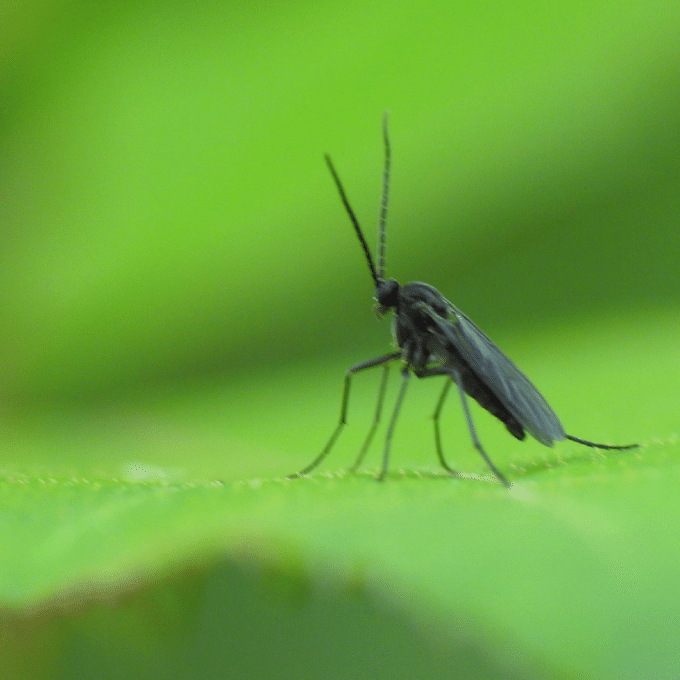
Every plant parent’s journey comes with its challenges, and one of the most common foes is the dreaded invasion of bugs in houseplants, especially the notorious fungus gnats. Fear not! In this guide, we’ll explore effective solutions to tackle these and other pesky invaders.
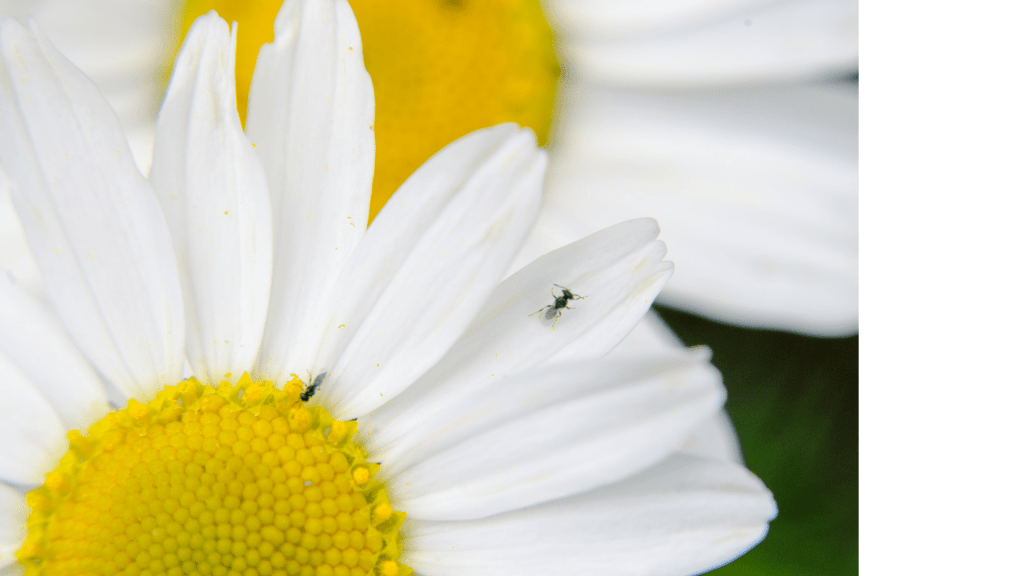
Understanding the Enemy: Bugs in Houseplants
Before we dive into the arsenal of pest control solutions, let’s briefly understand the primary culprits: fungus gnats. These tiny, flying insects are attracted to moist soil and decaying organic matter. They lay their eggs in the soil, and the larvae feed on plant roots, potentially causing harm to your beloved indoor plants.
Now, let’s explore a mix of natural remedies and purchasable products to address this common challenge!
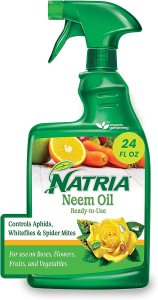
1. Neem Oil: The Natural Defender
How to Get Rid of Fungus Gnats with Neem Oil:
Neem oil, derived from the neem tree, is a powerful natural insecticide known for its ability to disrupt the life cycle of pests.
Ingredients and Supplies:
- Neem oil
- Water
- Mild liquid soap (optional)
Instructions:
- Mix one teaspoon of neem oil with a quart of water. Add a few drops of mild liquid soap if desired (helps in emulsifying the oil).
- Pour the solution into a spray bottle.
- Thoroughly spray the soil surface of affected plants, ensuring coverage.
- Repeat every 7-10 days as needed.
Why Neem Oil?
- Acts as a repellent and disrupts the growth and development of fungus gnat larvae.
- Safe for most plants and pets when used according to instructions.
2. Sticky Traps: The Silent Hunters
Bugs in Houseplants – Using Sticky Traps:
Sticky traps are a simple yet effective method to catch flying pests like fungus gnats.
Ingredients and Supplies:
- Sticky traps (commercially available)
- Options: Sticky traps on a stake for in plant use or sticky trap to place on windows near houseplant insect activity.
Instructions:
- Place sticky traps near affected plants, positioning them horizontally just above the soil.
- Monitor and replace traps regularly.
Why Sticky Traps?
- Traps adult fungus gnats, preventing them from laying eggs.
- An easy, non-toxic solution suitable for any indoor plant.

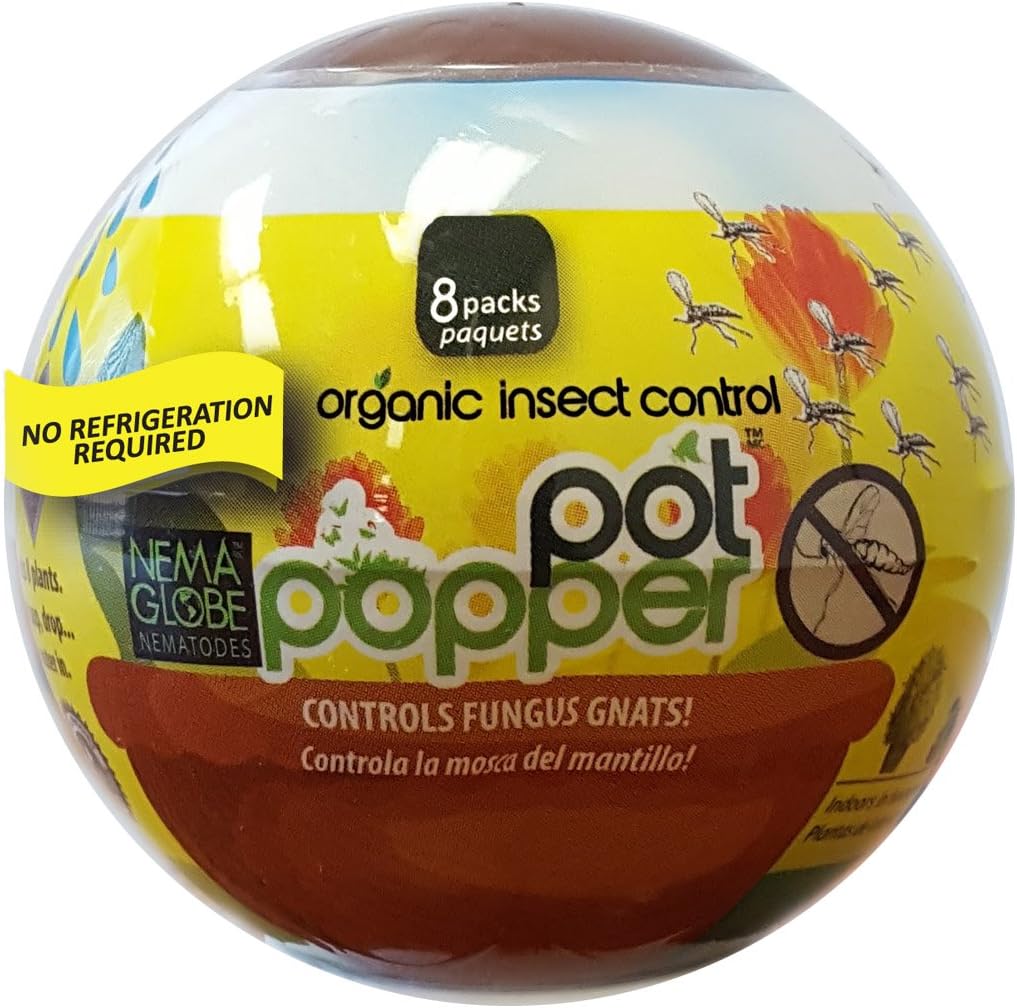
3. Beneficial Nematodes: Nature’s Pest Control Squad
How to Get Rid of Fungus Gnats with Beneficial Nematodes:
Beneficial nematodes are microscopic worms that seek out and parasitize the larvae of fungus gnats.
Ingredients and Supplies:
- Beneficial nematodes (available for purchase)
- Water
Instructions:
- Mix the beneficial nematodes with water according to the package instructions.
- Water the affected plants with the nematode solution.
- Repeat application as needed.
Why Beneficial Nematodes?
- Targets the larvae in the soil, preventing future generations of fungus gnats.
- Safe for plants, pets, and humans.
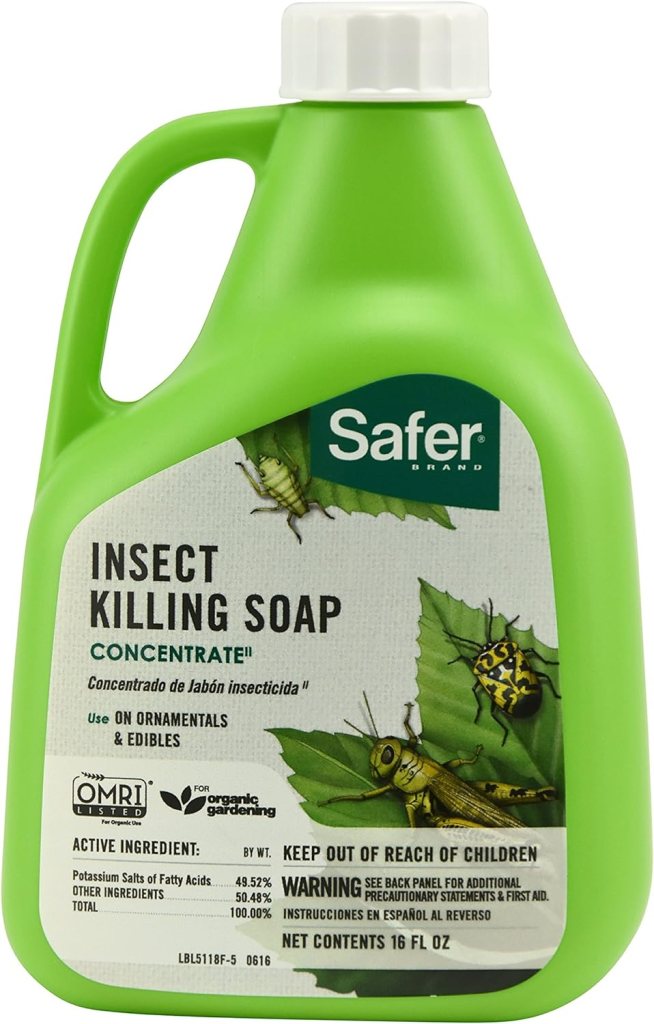
4. Insecticidal Soap: The Gentle Warrior
Kill Bugs in Houseplants – Using Insecticidal Soap:
Insecticidal soap is a gentle yet effective solution that targets soft-bodied pests, including fungus gnats.
Ingredients and Supplies:
Instructions:
- Dilute the insecticidal soap according to the package instructions.
- Spray the solution directly onto the soil surface and affected plant parts.
- Repeat applications as necessary.
Why Insecticidal Soap?
- Kills pests on contact without harming most plants.
- Safe for indoor use and easy to apply.
5. Soil Drying Techniques: Natural Prevention
How to Get Rid of Fungus Gnats by Adjusting Watering Habits:
Preventing the conditions that attract fungus gnats is a proactive approach to pest control.
Ingredients and Supplies:
Instructions:
- Ensure your plants are potted in well-draining soil to discourage excess moisture.
- Water your plants only when the top inch of soil is dry.
- Use a watering can with a narrow spout to target the base of the plant and avoid splashing.
Why Soil Drying Techniques?
- Creates an inhospitable environment for fungus gnat larvae.
- Addresses the root cause of the infestation by controlling soil moisture.
Conclusion
There you have it—an arsenal of indoor plant pest control solutions that not only combat bugs in houseplants but also empower you to cultivate a thriving indoor jungle. Whether you opt for natural remedies or commercially available products, the key is to be consistent and observant. Keep in mind that each solution has its strengths, and a combination approach may yield the best results. Happy pest-free growing!

 Let's Talk About Plants