
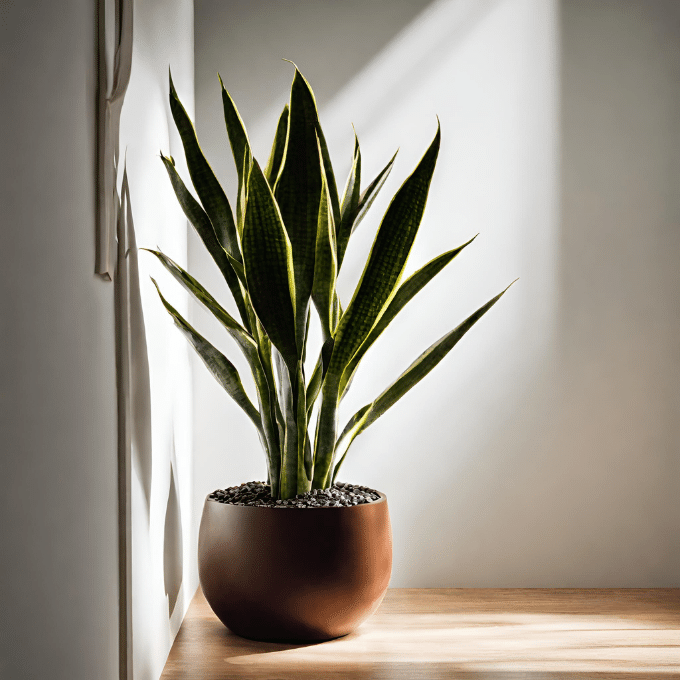
10 Low-Light Plants for Your Indoor Jungle Oasis
Let’s explore the realm of low-light houseplants—often an overlooked category for indoor plant enthusiasts. If you’re ready to transform your living or working space into a lush haven, we’ve put together a list of 10 low-light champions that are not only easy to care for but also bring a touch of nature to even the most shadowy corners.
- Snake Plant (Sansevieria trifasciata): The Low-Light Superhero
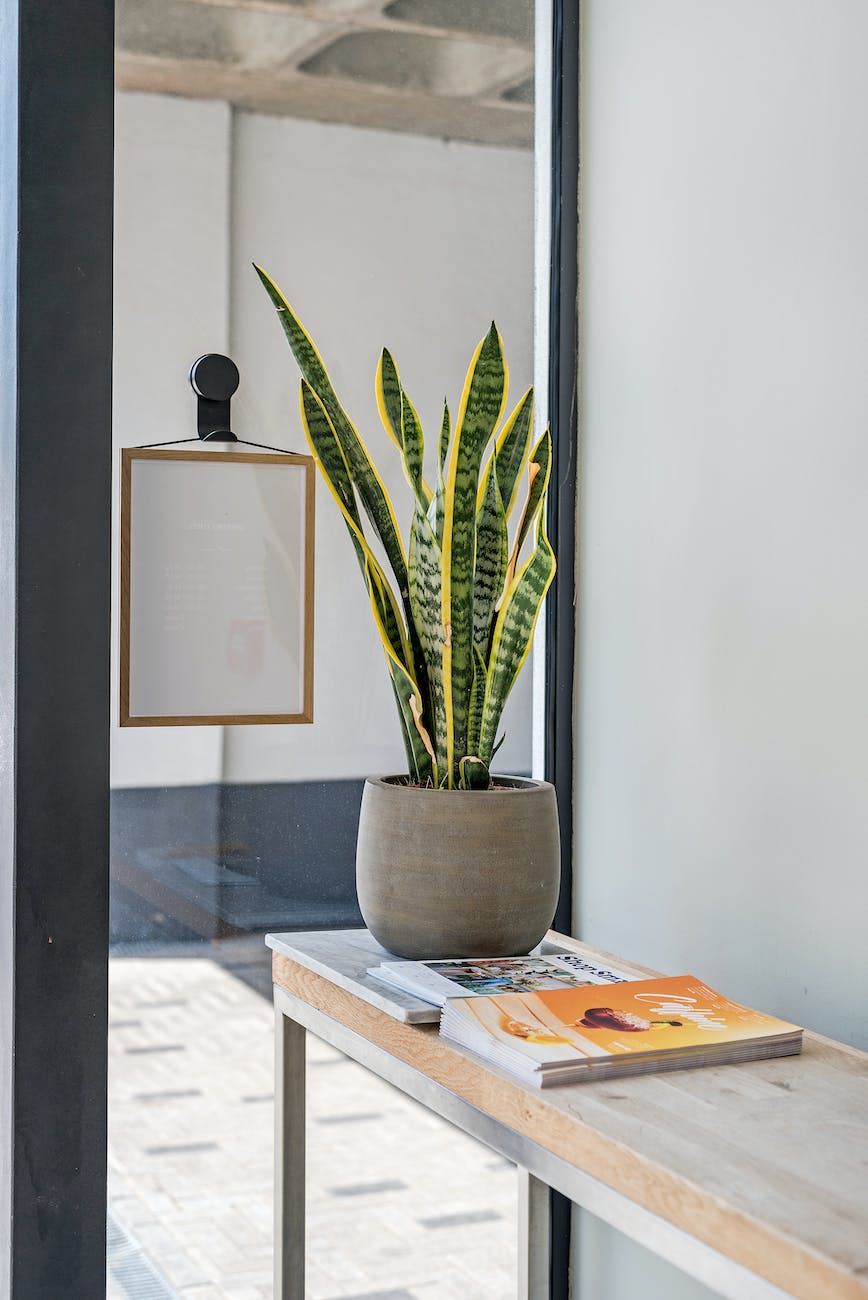
Watering Schedule: Allow the soil to dry out completely between waterings. Water sparingly, approximately every 2-4 weeks.
Soil Recommendation: Well-draining potting mix, such as a cactus mix.
Light Requirements: Thrives in indirect light but can tolerate low light. Best suited for north or east-facing windows where it receives filtered sunlight.
The Snake Plant, also known as Mother-in-Law’s Tongue, is a resilient low-light houseplant that’s practically indestructible. Its upright, sword-like leaves add a contemporary touch to any space. Perfect for beginners, it’s forgiving of occasional neglect and can thrive in low light conditions.
- ZZ Plant (Zamioculcas zamiifolia): The Stylish Survivor
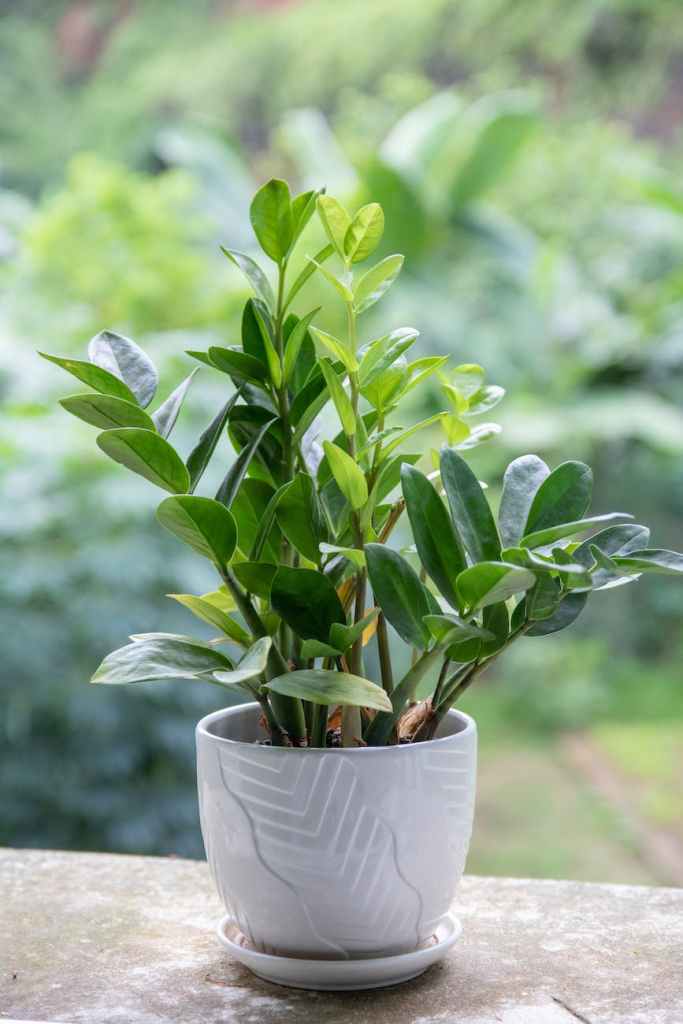
Watering Schedule: Allow the top inch of soil to dry out before watering. Water every 2-3 weeks.
Soil Recommendation: Well-draining potting mix.
Light Requirements: Adapts well to low light conditions. Ideal for north or east-facing windows, away from direct sunlight.
The ZZ Plant is a true survivor in low-light conditions. With glossy, dark green leaves, it adds a touch of elegance to any room. Its ability to thrive in virtually any light conditions, from low to bright indirect light, makes it a versatile choice for your indoor jungle.
- Pothos (Epipremnum aureum): The Trailblazing Wonder

Watering Schedule: Keep the soil consistently moist but not waterlogged. Water every 1-2 weeks.
Soil Recommendation: Well-draining, all-purpose potting mix.
Light Requirements: Thrives in low to medium light. Perfect for north or east-facing windows but can also tolerate west-facing windows with filtered sunlight.
Pothos, also known as Devil’s Ivy, is a low-light superstar that boasts trailing vines and heart-shaped leaves. This hardy plant is not only visually appealing but also acts as an excellent air purifier, making it a perfect addition to your indoor space.
- Spider Plant (Chlorophytum comosum): The Air-Purifying Dynamo
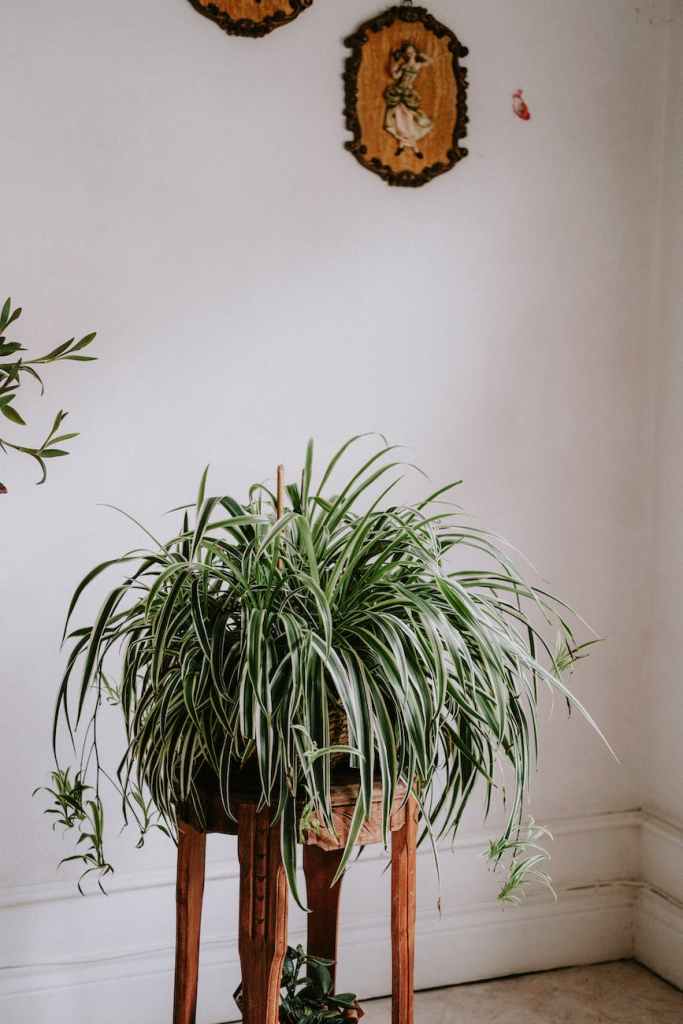
Watering Schedule: Keep the soil evenly moist. Water approximately every 1-2 weeks.
Soil Recommendation: Well-draining, all-purpose potting mix.
Light Requirements: Prefers bright, indirect light but can tolerate lower light levels. Ideal for east or west-facing windows with filtered sunlight.
The Spider Plant is a classic choice for low-light environments. With arching leaves that resemble spider legs, this plant not only adds a decorative touch but also excels at removing indoor pollutants. It’s a great choice for beginners looking to add a touch of green to their space.
- Peace Lily (Spathiphyllum spp.): The Serene Bloomer
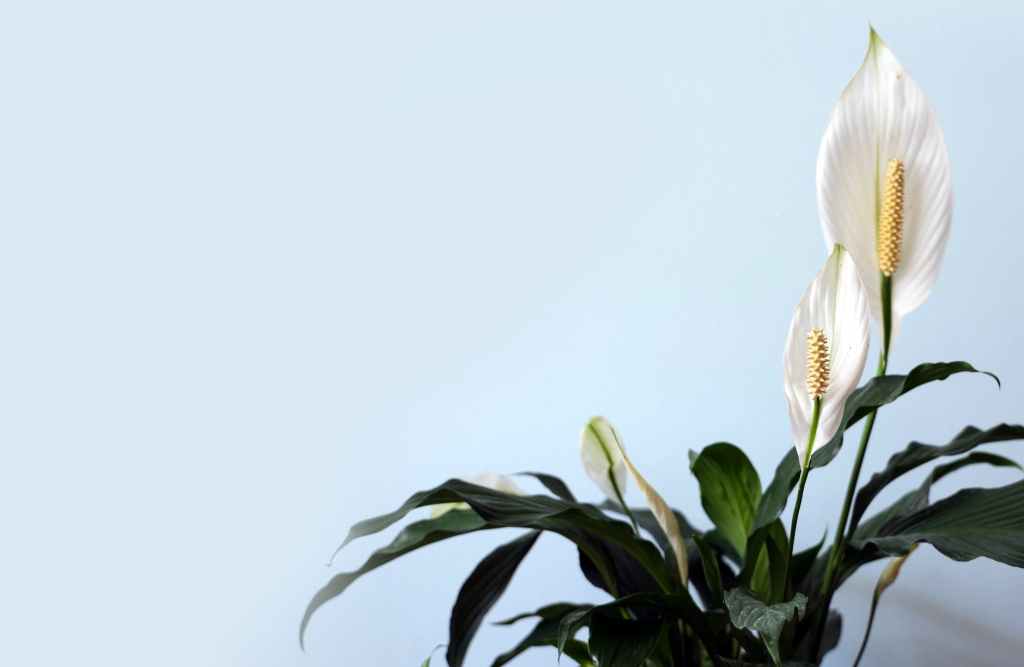
Watering Schedule: Keep the soil consistently moist. Water approximately every 1-2 weeks.
Soil Recommendation: Well-draining, all-purpose potting mix.
Light Requirements: Enjoys medium to low indirect light. Best placed in a north or east-facing window, away from direct sunlight.
The Peace Lily is known for its elegant white blooms and lush, dark green leaves. It thrives in low-light conditions and is also an excellent air purifier, helping to create a serene and healthy indoor environment.
- Chinese Evergreen (Aglaonema spp.): The Colorful Low-Light Star
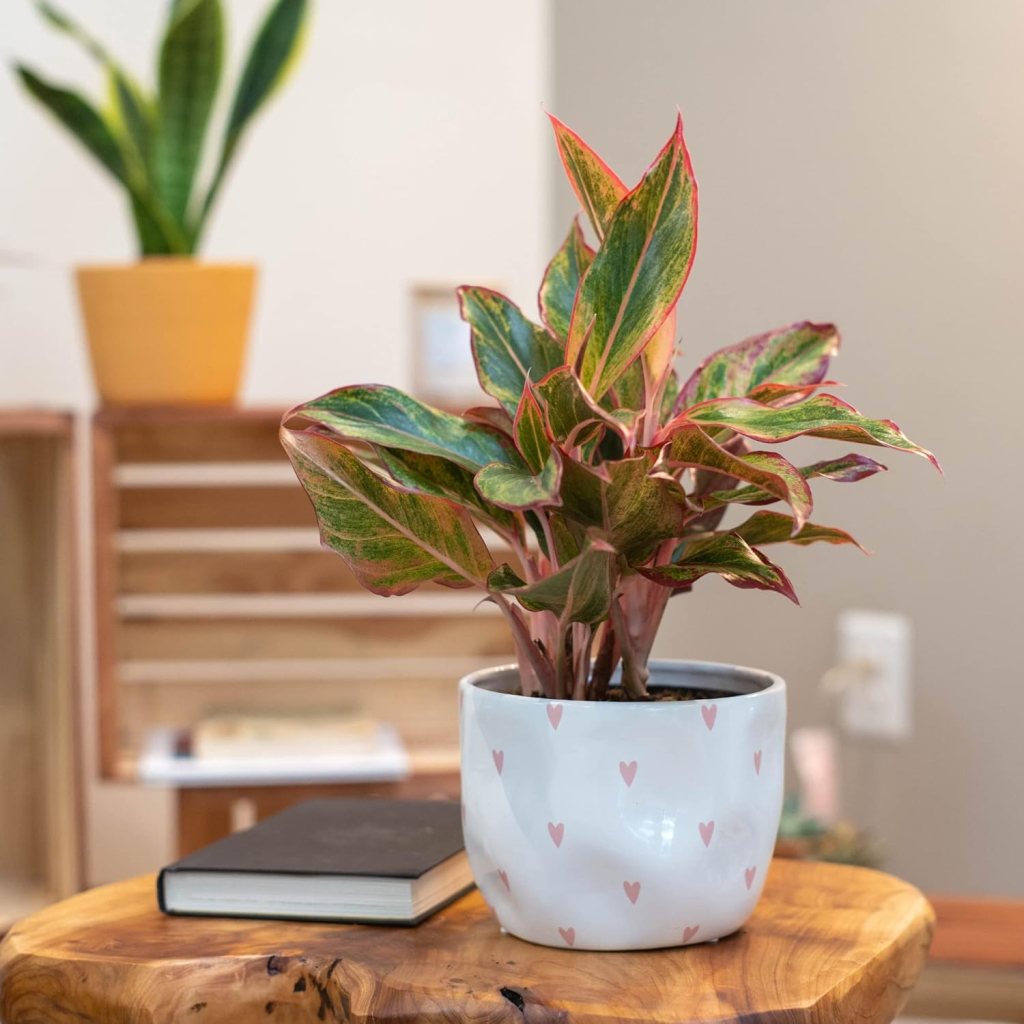
Watering Schedule: Allow the top inch of soil to dry out before watering. Water every 1-2 weeks.
Soil Recommendation: Well-draining, all-purpose potting mix.
Light Requirements: Adapts well to low light. Suited for north or east-facing windows, but can also thrive in west-facing windows with filtered light.
Chinese Evergreen is prized for its attractive variegated foliage and ability to thrive in low-light settings. With shades of green, silver, and red, this plant adds a pop of color to your indoor jungle. Its low-maintenance nature makes it perfect for beginners.
- Cast Iron Plant (Aspidistra elatior): The Indestructible Foliage
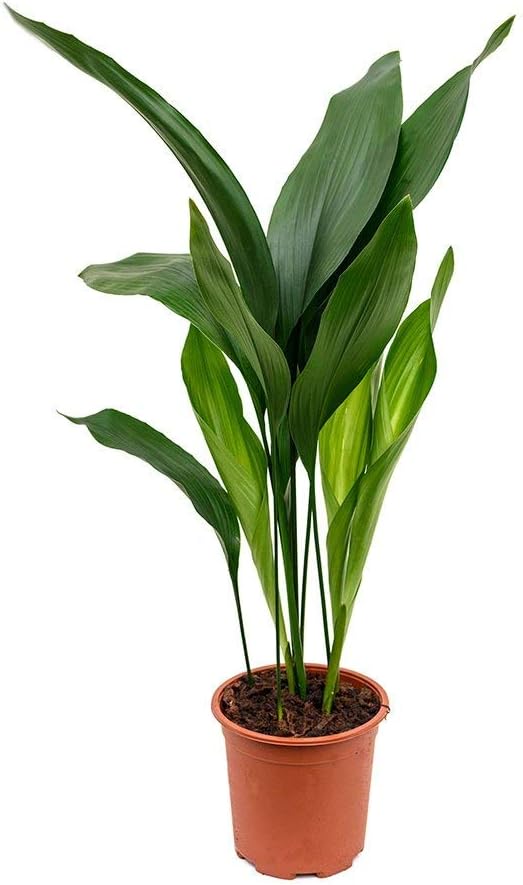
Watering Schedule: Allow the soil to dry out between waterings. Water every 2-4 weeks.
Soil Recommendation: Well-draining, all-purpose potting mix.
Light Requirements: Thrives in low light conditions and can tolerate deep shade. Ideal for north or east-facing windows, making it suitable for darker corners.
True to its name, the Cast Iron Plant is a tough and durable low-light houseplant. With dark, leathery leaves, it can withstand neglect and low light conditions, making it an ideal choice for those with less-than-ideal indoor lighting.
- Dracaena (Dracaena spp.): The Tall and Proud Statement Piece
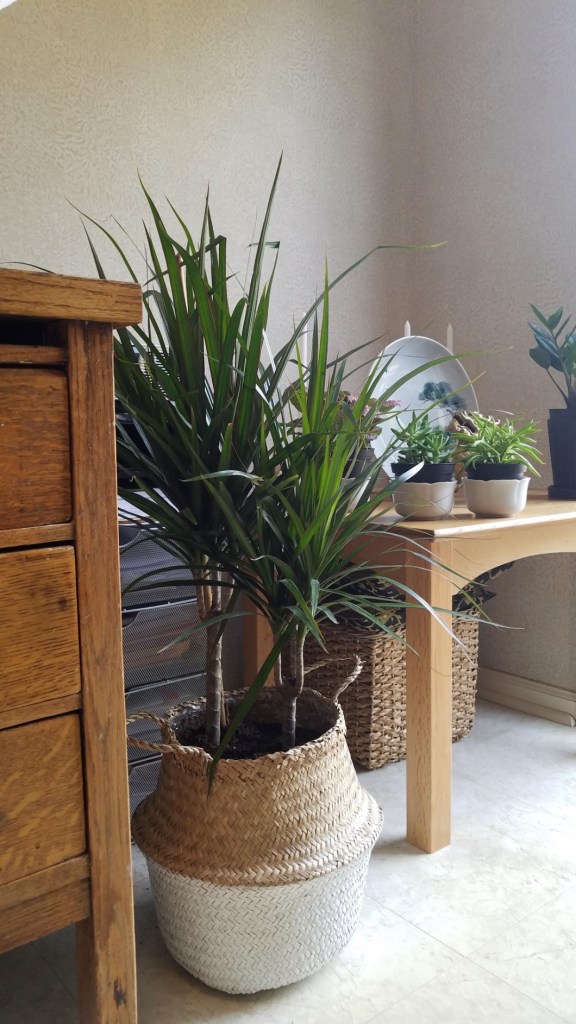
Watering Schedule: Allow the top inch of soil to dry out before watering. Water every 1-2 weeks.
Soil Recommendation: Well-draining, all-purpose potting mix.
Light Requirements: Adaptable to low light but can also tolerate bright, indirect light. Best placed in a north or east-facing window for balanced exposure.
Dracaenas come in various species, all of which are low-light champions. With their tall, slender stems and striking foliage, they make a bold statement in any room. These plants are not only aesthetically pleasing but also easy to care for, making them perfect for beginners.
- Philodendron (Philodendron spp.): The Versatile Vine
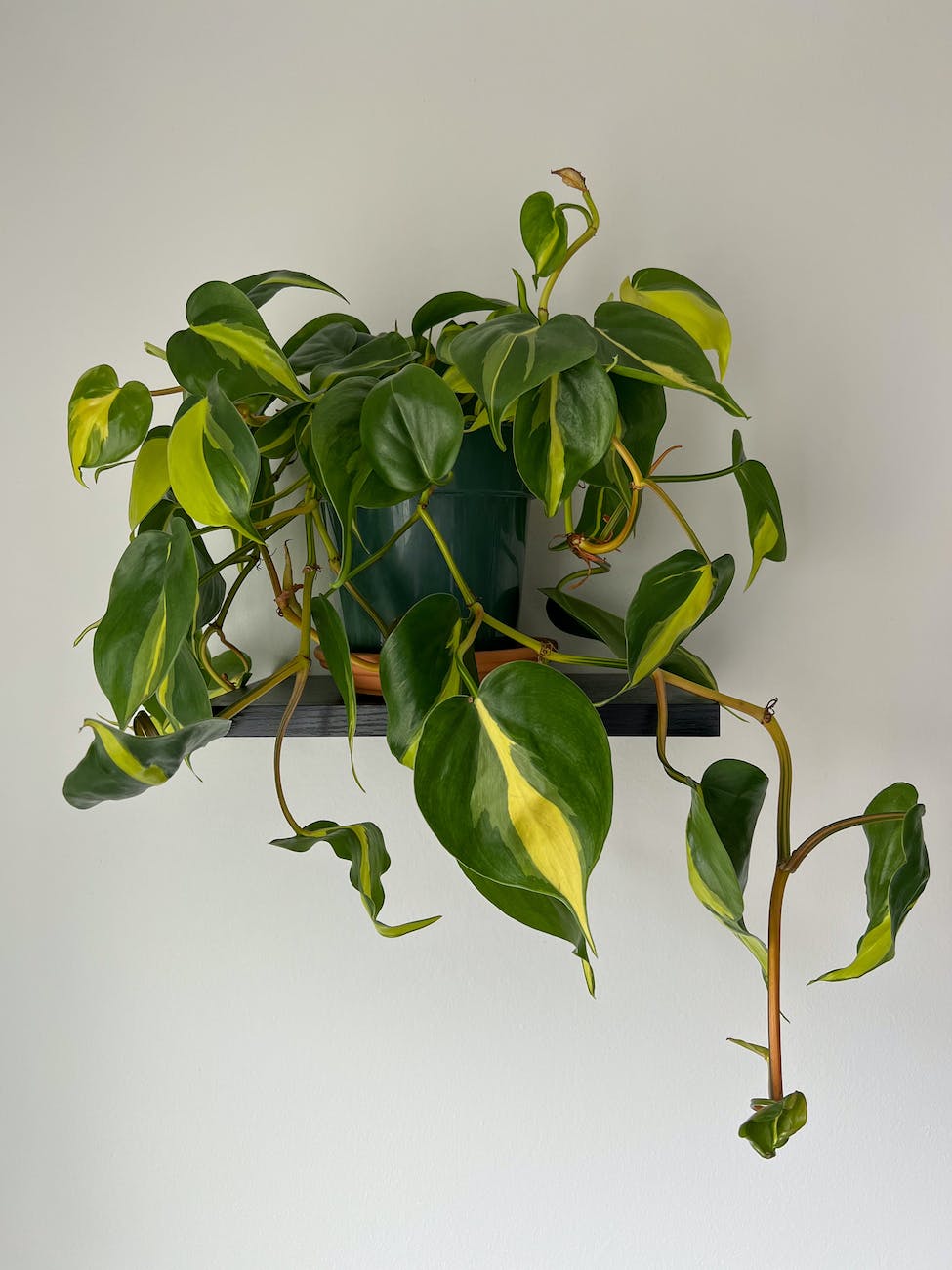
Watering Schedule: Keep the soil consistently moist. Water approximately every 1-2 weeks.
Soil Recommendation: Well-draining, all-purpose potting mix.
Light Requirements: Prefers medium to low light. Suited for north or east-facing windows, but can also adapt to west-facing windows with filtered sunlight.
Philodendrons come in a variety of species, each with its unique charm. These low-light houseplants are known for their trailing vines and heart-shaped leaves. They’re adaptable and can thrive in various light conditions, making them an excellent choice for indoor gardening novices.
- Aloe Vera (Aloe barbadensis miller): Nature’s Healer
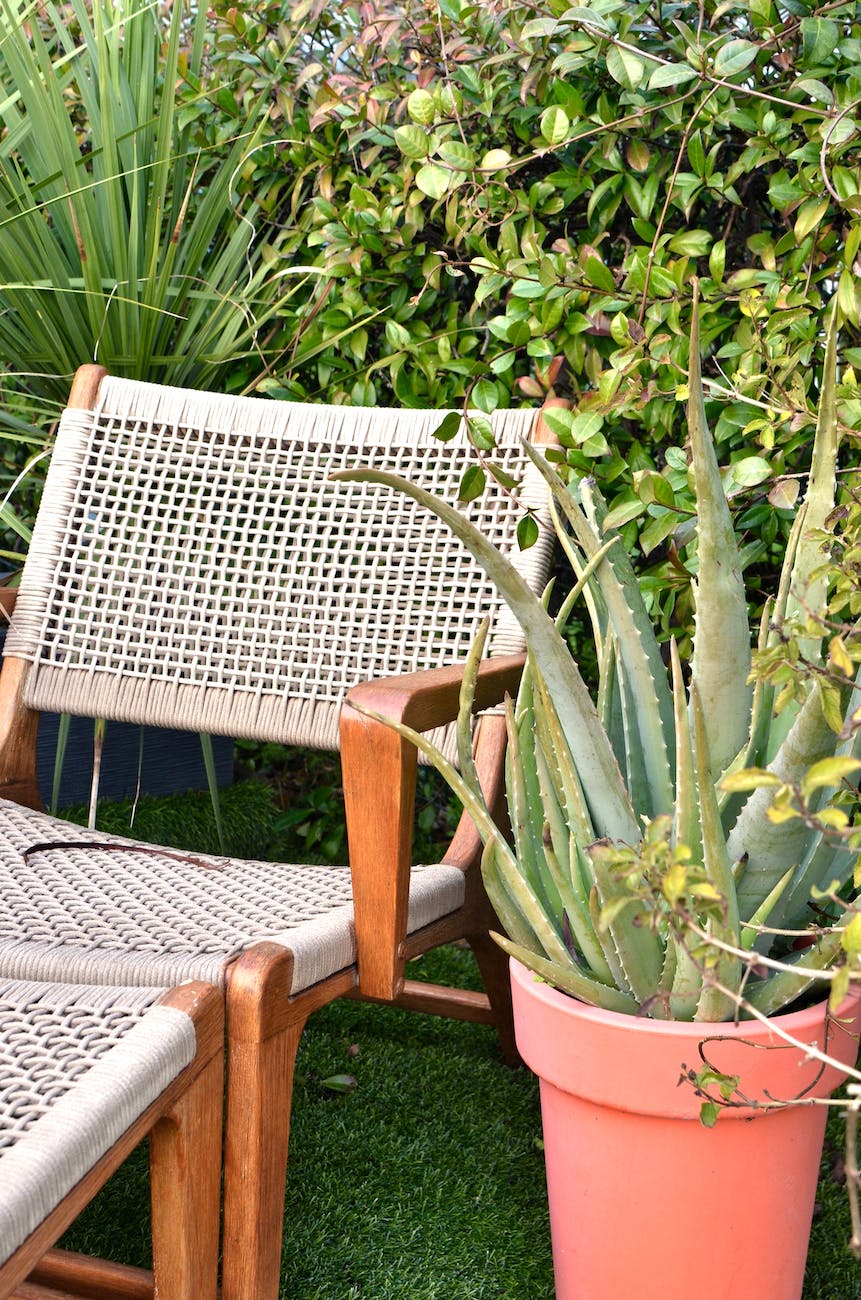
Watering Schedule: Allow the soil to dry out completely between waterings. Water sparingly, approximately every 2-3 weeks.
Soil Recommendation: Well-draining, sandy potting mix.
Light Requirements: While it can tolerate low light, Aloe Vera benefits from bright, indirect light. Ideal for west or south-facing windows with filtered sunlight.
While Aloe Vera is often associated with sunny climates, it can also adapt to low-light conditions. Known for its healing properties, this succulent requires minimal care and adds a unique touch to your indoor jungle.
Building Confidence for Beginners:
Now that you have a list of 10 low-light houseplants to choose from, it’s time to address the concerns of beginners. Growing indoor plants might seem daunting at first, but with the right tools and knowledge, anyone can cultivate a thriving indoor jungle.
Basic Tips for Indoor Gardening Success:
- Light: While these plants are low-light tolerant, try to place them near windows to maximize natural light.
- Watering: Avoid overwatering; always check the soil moisture before watering.
- Containers: Ensure your pots have drainage holes to prevent waterlogging.
- Humidity: Indoor plants generally appreciate higher humidity levels, so misting or placing a tray of water nearby can help.
Taking It to the Next Level: Grow Lights
While the recommended low-light houseplants can flourish in minimal light, adding grow lights to your indoor gardening toolkit can amplify their growth and extend your options for plant varieties. Here are three entry-level grow lights that are user-friendly and readily available:

- Description: These energy-efficient bulbs are a fantastic addition to any indoor garden. They can be conveniently screwed into standard lamp sockets.
- Recommendation: Opt for full-spectrum LED bulbs to provide a comprehensive range of light wavelengths that support various stages of plant growth.
- Placement: Position the LED grow light bulb overhead, ensuring an even distribution of light across your low-light houseplants.
2. Adjustable LED Grow Light Strips:
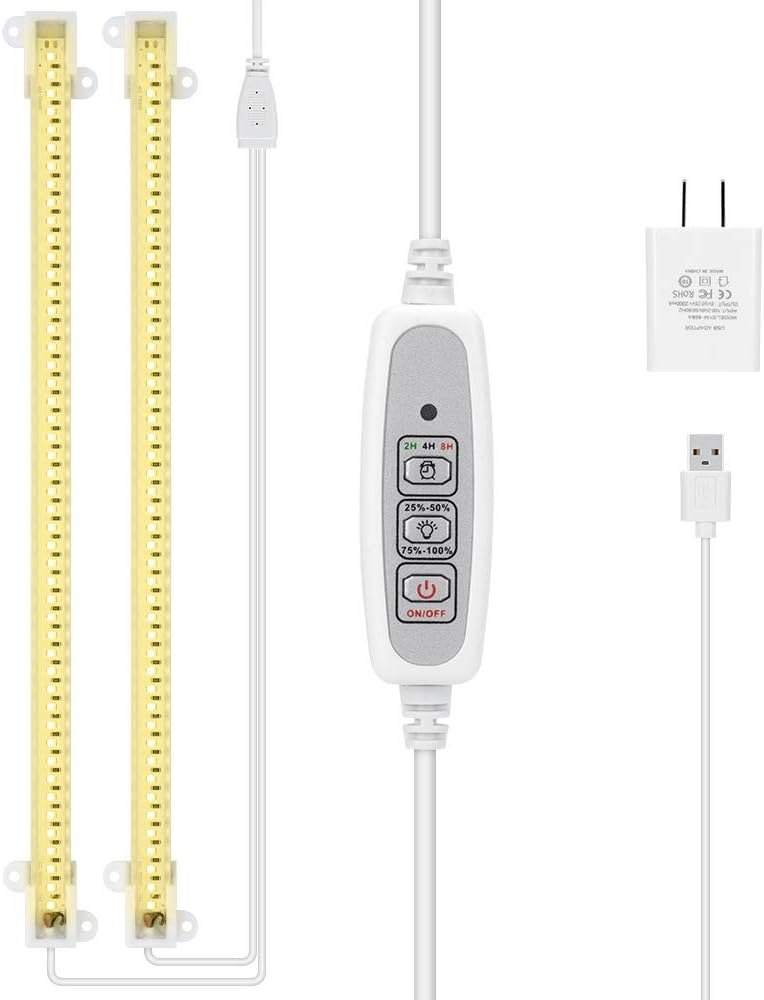
- Description: Flexible and versatile, these strips can be attached to shelves or suspended above your plants. They often come with adjustable brightness and color temperature settings.
- Recommendation: Choose strips with customizable settings to cater to the specific needs of your plants, adjusting intensity and warmth as required.
- Placement: Install the LED grow light strips at a height where they can evenly illuminate your low-light houseplants, mimicking the effect of natural sunlight.
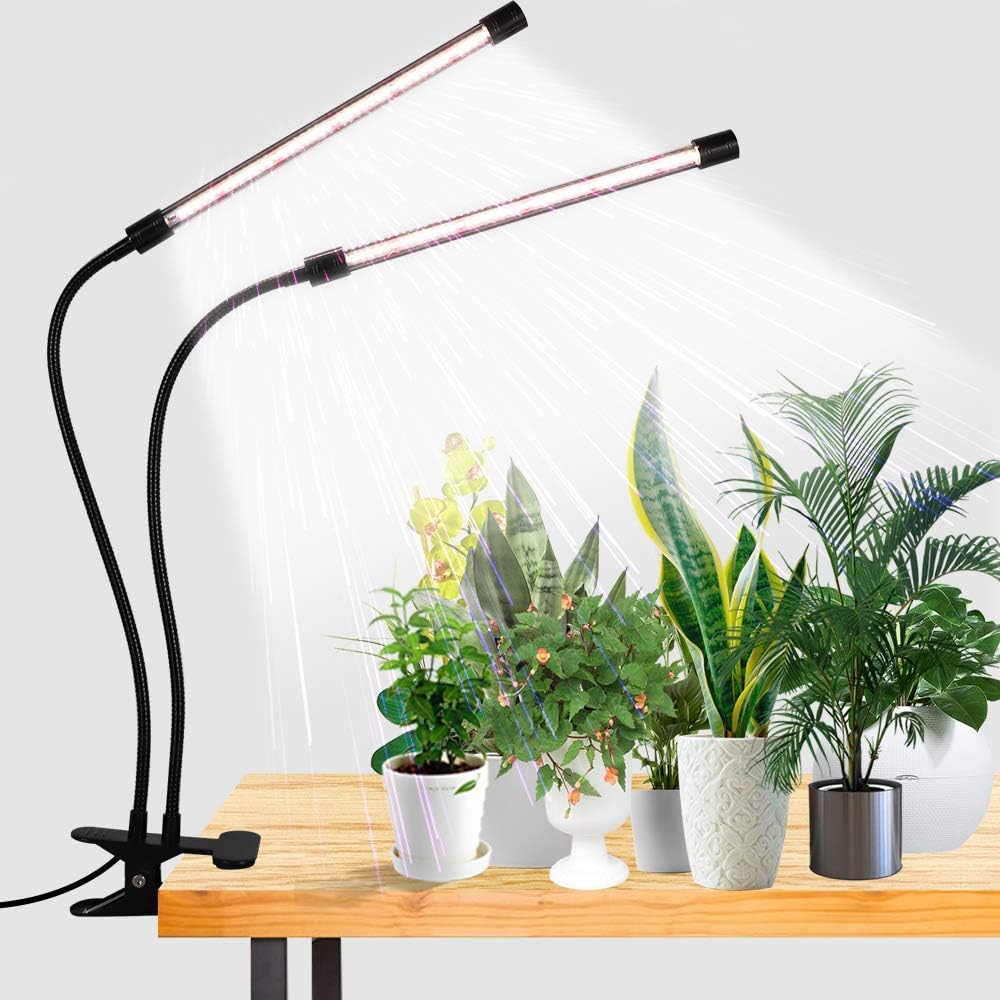
- Description: Compact and user-friendly, these lamps are perfect for those looking to dip their toes into indoor gardening with grow lights.
- Recommendation: Select a desktop LED grow lamp with adjustable height and intensity settings to accommodate different plant heights and light requirements.
- Placement: Position the lamp strategically to supplement natural light, focusing on areas where your low-light houseplants might not receive adequate sunlight.
Why Consider Grow Lights?
- Extended Growing Seasons: With grow lights, you can create a consistent light source, extending the growing season for your indoor plants.
- Increased Plant Variety: Grow lights open the door to a wider array of plant choices, allowing you to experiment with species that may require more light than your space naturally provides.
- Tailored Light Conditions: Adjusting the intensity and spectrum of grow lights enables you to tailor the light conditions to suit the specific needs of your low-light houseplants.
Tips for Using Grow Lights:
- Duration: Aim for 12-16 hours of light per day, replicating the daylight duration that many plants would receive outdoors.
- Distance: Adjust the height of your grow lights to maintain an optimal distance from your plants, preventing overexposure or insufficient light.
- Consistency: Establish a consistent light schedule to provide your plants with a sense of routine, promoting healthy growth.
By incorporating these easy-to-use grow lights into your indoor gardening setup, you’ll not only enhance the health of your low-light houseplants but also open the door to a wide range of plant varieties, transforming your space into a thriving indoor jungle. 🪴

 Let's Talk About Plants